Propylamphetamine (code name PAL-424; also known as N-propylamphetamine or NPA) is a psychostimulant of the amphetamine family which was never marketed. It was first developed in the 1970s, mainly for research into the metabolism of, and as a comparison tool to, other amphetamines.
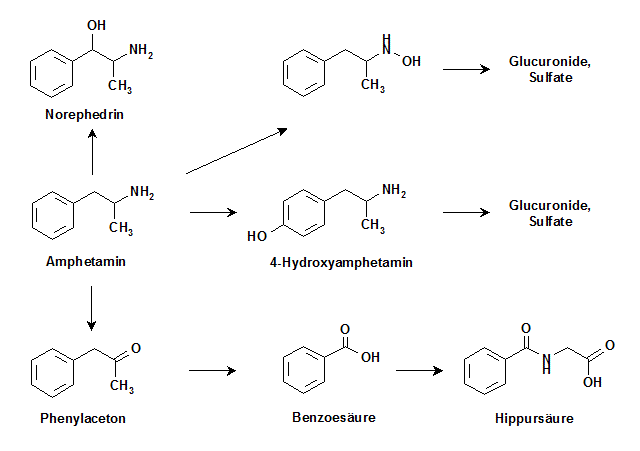
Propylamphetamine is inactive as a dopamine releasing agent in vitro and instead acts as a low-potency dopamine reuptake inhibitor with an IC50Tooltip half-maximal inhibitory concentration of 1,013 nM. The drug can be N-dealkylated to form amphetamine (10–20% excreted in urine after 24 hours). A study in rats found propylamphetamine to be approximately 4-fold less potent than amphetamine.
See also
- Methamphetamine
- Ethylamphetamine
- Isopropylamphetamine
- Butylamphetamine
- Phenylpropylaminopentane
References