Road signs in Cuba are regulated in Ley No. 109 Código de Seguridad Vial and generally conform to the 1968 Vienna Convention on Road Signs and Signals.
Road signs in Cuba generally use the same pattern of colors, shapes, and symbols as set out in the Vienna Convention on Road Signs and Signals, which are used in most European countries. Cuba is the only signatory to the Vienna Convention on Road Signs and Signals among the countries of the Caribbean. Cuba drives on the right.
Highway signs in Cuba generally use green for the four main motorways (the A1, A2, A3, A4, and their spur routes), and blue for state highways and motorways outside the major 4 (the I–3 and the Carretera Panamericana).
Warning signs (Group A)
Unlike most countries in the Americas (United States, Canada, Mexico and Latin American countries) that use diamond-shaped warning signs on a yellow background based on the MUTCD, warning signs in Cuba are triangular in shape with a red border and a yellow background, similar to those used in Poland, Sweden, Vietnam, and Finland.
Priority signs (Group B)
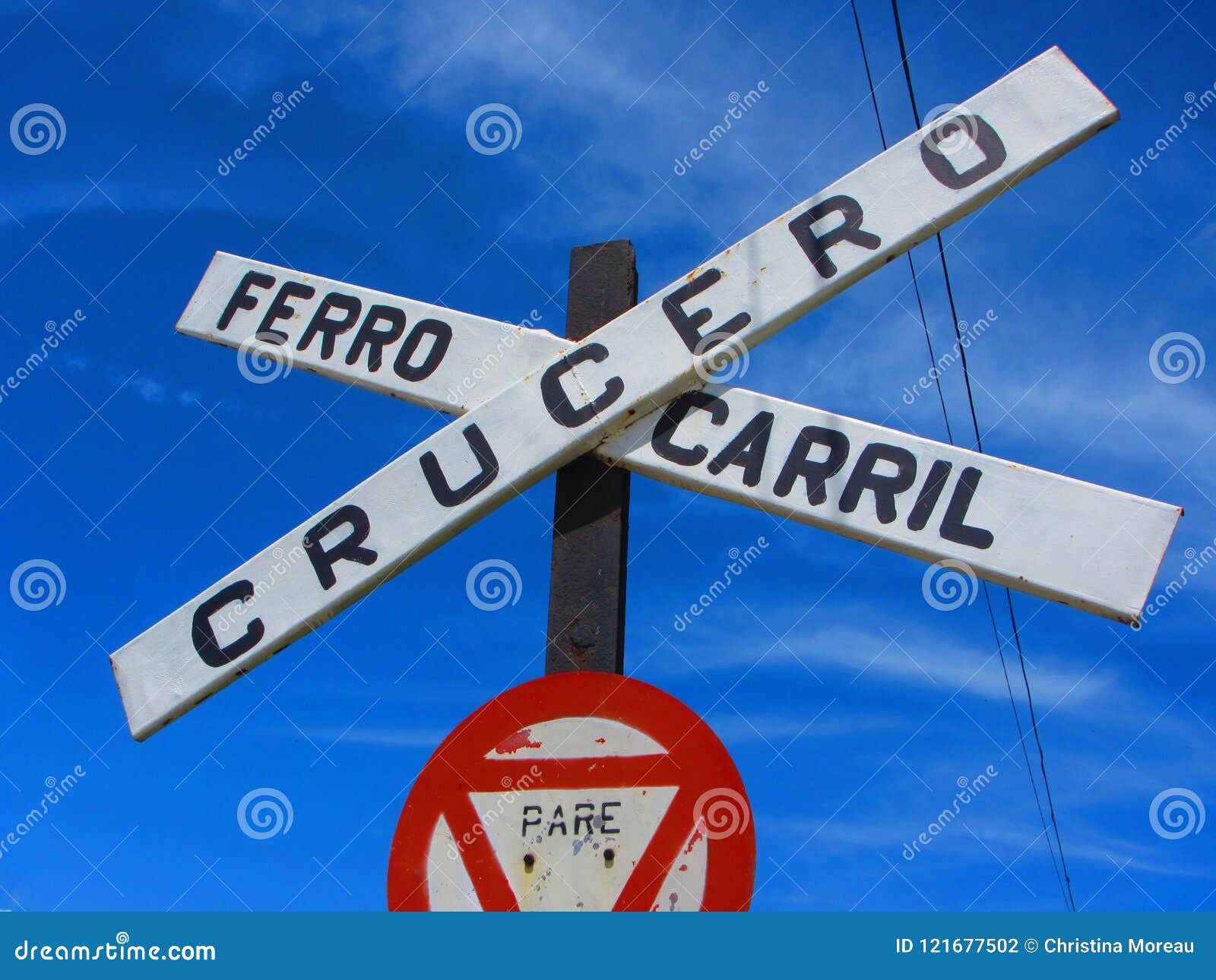
Unlike most countries in the world that use an octagonal stop sign, Cuba still uses a circular stop sign with a red inverted triangle and it is defined in the Vienna Convention on Road Signs and Signals as B2b. This convention still allows an older style of stop sign.
Prohibitory signs (Group C)
Mandatory signs (Group D)
Mandatory signs are on a blue background with white symbols as defined in Type A of the Vienna Convention on Road Signs and Signals, which is used in almost all countries of Europe, Asia (except for Pakistan and Sri Lanka) and Africa, as well as New Zealand.
De-restriction signs (Group E)
Information sign (Group F)
Orientation signs (Group G)
References


_395.JPG/120px-2011-11-31_Kubo_(Foto_Dietrich_Michael_Weidmann)_395.JPG)
